

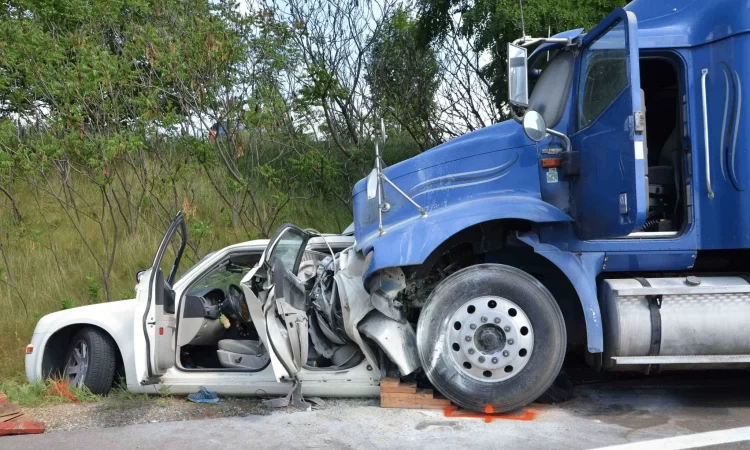
Commercial trucking collisions differ from ordinary car crashes in ways that matter from the moment the sirens fade. Federal rules, multistate carriers, and layered insurance coverage create a maze of facts and deadlines that can shape the outcome of a claim. Victims and families need a clear plan for preserving records, identifying responsible parties, and valuing long-term losses tied to serious injuries. With the right approach, investigations move quickly from suspicion to proof, and negotiations focus on full accountability rather than quick discounts. Ochoa & Calderon understand these pressures and the strategies that unlock fair compensation. Skilled Riverside Truck Accident Lawyers can help you make informed choices while the evidence is fresh.
Investigating Driver Logs and Federal Safety Violations After a Crash
When a crash involves a tractor-trailer, one of the first questions is whether the driver complied with federal hours-of-service rules. Electronic logging devices (ELDs), dispatch records, and GPS data often reveal if a driver exceeded limits or falsified rest breaks. Phone records and in-cab systems can further show distraction, like texting or app usage, in the moments before impact. These sources, paired with weigh station tickets and fuel receipts, can reconstruct a driver’s day with surprising precision. The goal is not just to prove fatigue or distraction occurred, but to connect that violation to the collision itself.
Building a timeline that stands up to scrutiny
Investigators move fast to issue preservation letters, preventing the destruction of ELD files and onboard computer data that can be overwritten within weeks. They compare log entries to third-party information—GPS pings, toll data, and even shipping schedules—to spot contradictions and systematic log manipulation. Post-crash alcohol and drug testing records, maintenance alerts, and prior safety audits round out a pattern of behavior that juries understand and insurers respect. Riverside Truck Accident Lawyers know how to compel production of these materials through subpoenas and court orders, reducing the chance that key documents “go missing.” When the timeline is airtight, negotiations shift from doubt to damages, driving better settlement outcomes.
How Maintenance Records and Inspection Reports Reveal Negligence
Even a well-rested driver cannot overcome mechanical defects that a carrier ignored. Brake wear, underinflated tires, and faulty lighting are among the issues that recur in serious trucking collisions. Federal regulations require documented pre-trip inspections and corrective actions, yet gaps in those records can be revealing. If repair orders are sparse, out of sequence, or constantly deferred, they point to a culture that values uptime over safety. Auditing this paper trail allows victims to connect an equipment failure to the crash and to the company’s choices.
Connecting the dots between defects and decisions
To establish negligence, attorneys compare shop invoices, inspection reports, and manufacturer bulletins against the vehicle’s telematics and fault-code history. If the truck flagged repeated brake or steering faults, but no service occurred, the carrier faces difficult questions. Riverside Truck Accident Lawyers also evaluate whether third-party maintenance contractors cut corners or used improper parts, widening the circle of accountability. Roadside inspection histories and federal compliance scores (CSA/SMS) help show whether the company’s problems were isolated or widespread. When maintenance neglect is documented, fault becomes harder to dispute, and settlement talks focus on the scale of losses rather than liability.
Identifying All Liable Parties in Commercial Trucking Incidents
Liability rarely begins and ends with the driver behind the wheel. The motor carrier that employs or contracts with the driver typically bears responsibility under federal leasing rules and state vicarious liability principles. Brokers and shippers may share fault if they pressured unsafe schedules or selected unqualified carriers. Trailer owners, cargo loaders, and maintenance providers can be liable when their actions created hazards such as shifting loads or brake failures. Product manufacturers may also be implicated if a defect in design or warnings contributed to the crash.
Mapping responsibility across the supply chain
Effective cases start by gathering contracts, dispatch records, and carrier profiles to understand how each entity interacted before the collision. Control over the truck, trailer, route, and schedule can determine whether a company is responsible, even if it labels drivers as independent contractors. Ochoa & Calderon examine lease agreements, safety policies, and communications to show who set the conditions that made the crash possible. Insurance endorsements, including MCS-90 filings, can reveal additional coverage paths when a carrier disputes responsibility or lacks sufficient limits. By evaluating every relationship in the logistics chain, claimants avoid leaving money on the table and ensure that settlement talks include all parties with exposure.
Assessing Catastrophic Injuries Caused by Large Vehicle Collisions
The size and momentum of a commercial truck amplify forces that the human body cannot easily withstand. Traumatic brain injuries, spinal cord damage, complex fractures, and burn injuries are common outcomes with lifelong implications. These conditions often require repeated surgeries, mobility aids, and specialized rehabilitation that extends far beyond the first hospital stay. Chronic pain, PTSD, and cognitive changes can alter family dynamics and employment prospects in ways that deserve full recognition. Accurate medical documentation and forward-looking care plans are essential to reflect the real cost of recovery.
Turning medical facts into compelling proof of harm
Attorneys gather imaging studies, operative reports, and treating physician narratives to establish the severity and permanence of injuries. A life care planner projects future medical needs—from home health assistance to adaptive vehicles—so they are not overlooked in settlement discussions. Vocational experts analyze the impact on job tasks, retraining needs, and realistic return-to-work timelines. Riverside Truck Accident Lawyers integrate this evidence with day-in-the-life depictions and testimony from family members to humanize the numbers. When the human story is clearly connected to credible medical and vocational analysis, the claim’s value becomes much harder for insurers to discount.
Calculating Long-Term Financial and Medical Needs After a Truck Accident
Determining fair compensation requires more than adding up hospital bills and lost wages. Future care—such as attendant services, injections, revision surgeries, and durable medical equipment—must be forecasted with attention to medical inflation. Economists then translate those life care needs into present value and analyze lost earning capacity, especially for workers whose career trajectories were interrupted. Self-employed claimants and those in physically demanding jobs often need extra analysis to account for lost contracts, reduced productivity, or early retirement. Done well, this process produces a settlement target that aligns with both medical reality and financial prudence.
Bringing clarity to complex damage models
A strong damages package includes comprehensive medical records, a detailed life care plan, and an economic report explaining methodology in plain terms. Riverside Truck Accident Lawyers coordinate with lienholders—health insurers, workers’ compensation carriers, and government programs—to reduce reimbursements and prevent surprises at closing. They also consider Medicare Set-Aside obligations when applicable, so future benefits remain protected. Structured settlements may be evaluated to balance immediate needs with long-term security, particularly in cases involving minors or severe disabilities. With thoughtful planning, claimants can avoid underestimating costs that will surface years after the case ends.
How Trucking Company Insurance Policies Complicate Settlements
Large motor carriers typically manage risk with a layered combination of self-insured retentions, primary liability policies, and excess or umbrella coverage. Coverage may hinge on technical conditions—driver qualifications, radius restrictions, notice provisions, or the exact time of the loss. Some policies include exclusions that insurers deploy to deny or delay claims, while others rely on reimbursement agreements that shift incentives during negotiation. Multi-vehicle crashes can trigger disputes over priority of coverage and apportionment across claimants. Understanding this architecture is critical for unlocking sufficient funds in high-value cases.
Navigating coverage traps and negotiation hurdles
Insurers may argue about whether a driver was in the course and scope of employment, or they might raise reservation-of-rights letters to limit participation in settlement. Early, well-supported demand packages with time-limited offers can pressure carriers to engage before defenses harden. Riverside Truck Accident Lawyers evaluate all potential policies and endorsements, track intercompany communications, and push for joint mediations when multiple carriers are involved. They also monitor for bad faith conduct, such as unreasonable delays or lowball offers, and preserve the record for potential extra-contractual claims. Mastering these dynamics helps claimants move beyond finger-pointing and toward payment structures that cover the full measure of losses.
Why Experienced Legal Representation Matters in Multi-Party Claims
Truck crash litigation moves quickly, and the side that organizes first often gains the advantage. Evidence can be lost if preservation demands and inspections are not pursued immediately, especially when vehicles are repaired or sold. Coordinating experts across accident reconstruction, biomechanics, medicine, and economics requires a deliberate strategy and consistent messaging. Defendants rarely speak with one voice, so anticipating conflicts among carriers, brokers, and insurers can create leverage at the negotiation table. Having counsel who understands both federal trucking law and local court practices makes the process more predictable and effective.
Turning complexity into a clear, winning strategy
A capable team outlines a step-by-step plan: secure the vehicles and data, map the supply chain, quantify damages, and stage negotiations with the right mix of parties and coverage. They communicate regularly, explain options in plain language, and prepare every case as if trial is likely, which encourages stronger offers. Local familiarity with Riverside dockets, judges, and mediators can streamline motions, discovery, and settlement conferences. As cases progress, Ochoa & Calderon provide the focused attention and resources needed to keep momentum, hold every responsible party accountable, and secure durable results. When you partner with experienced Riverside Truck Accident Lawyers, you place your claim in hands that know how to convert complex facts into full and fair compensation.