

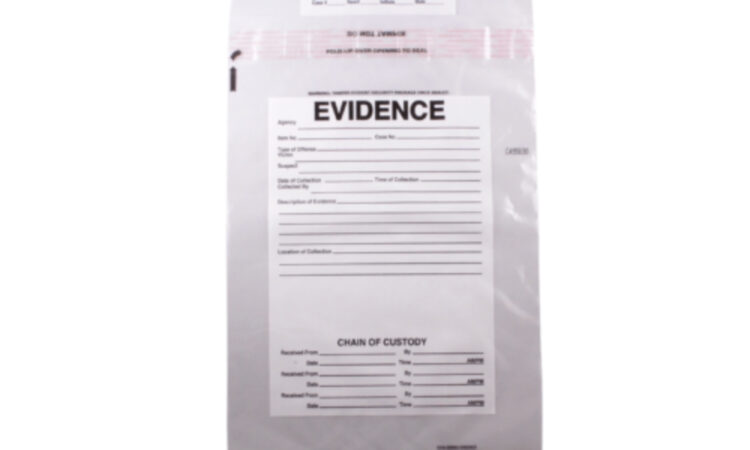
In the world of law enforcement, evidence is everything. The integrity, safety, and security of that evidence often begin with something simple, yet incredibly important: the plastic evidence bag. From crime scenes to courtrooms, choosing the right type of bag plays a vital role in maintaining the chain of custody, preventing tampering, and ensuring that every piece of evidence holds up in legal proceedings.
So, how do departments choose the right plastic evidence bag for the job? Let’s break it down.
What Are Plastic Evidence Bags?
Plastic evidence bags are specially designed containers used to store and transport evidence collected at crime scenes or during investigations. These bags are typically made from durable, transparent polyethylene and feature tamper-evident seals that show if someone has tried to open the bag after it has been closed.
Why the Right Bag Matters
Not all plastic bags are created equal—especially when it comes to handling evidence. Using the wrong type of bag can result in contamination, tampering, or legal challenges that compromise the investigation. Selecting the proper bag helps ensure:
- Security: A tamper-evident seal provides a visible warning if the bag has been opened or compromised.
- Clarity: Transparent plastic allows for quick identification without opening the bag.
- Durability: The bag must withstand physical handling, moisture, and possible exposure to contaminants.
- Traceability: Good evidence bags include space for detailed labeling and barcoding.
Key Features to Consider
When selecting the best plastic evidence bag for law enforcement use, keep these features in mind:
1. Tamper-Evident Seals
One of the most critical features is a permanent adhesive or heat-seal closure that makes it clear if the bag has been opened. Many bags feature security slits or color-changing indicators to alert handlers of tampering attempts.
2. Writable Surface or Printed Forms
Most plastic evidence bags come with a writable panel or pre-printed chain-of-custody form. This ensures all the necessary details (e.g., case number, item description, date, handler’s signature) are captured without requiring an external label.
3. Multiple Sizes and Thickness Options
From small drug baggies to large bags for clothing or weapons, law enforcement agencies need bags in various sizes. Thicker bags offer more durability and puncture resistance.
4. Barcode Compatibility
In modern investigations, barcode systems streamline evidence tracking. Bags with scannable barcodes simplify digital chain-of-custody management and inventory control.
When to Use Plastic vs. Paper Evidence Bags
Plastic is ideal for non-organic materials like weapons, drug paraphernalia, or electronics. However, items like wet clothing or biological samples may require paper evidence bags to allow airflow and prevent mold. Many departments use a combination of both, depending on the nature of the evidence.
Conclusion
Choosing the right plastic evidence bag is more than a procedural detail—it’s a step that can make or break a case. By selecting tamper-evident, clearly labeled, and properly sized bags, law enforcement agencies can protect the integrity of the evidence and uphold the justice system. After all, the smallest detail—like a secure plastic bag—can have the biggest impact.