

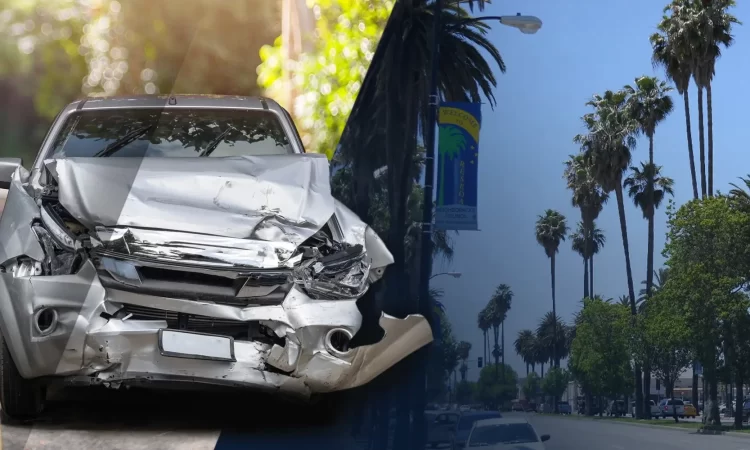
Navigating a crash in the San Fernando Valley is stressful enough without the added friction of unfamiliar processes and competing stories about who’s at fault. If you were injured in Reseda, you likely need fast answers about medical care, insurance communication, and what evidence truly matters. This guide walks you through the practical steps that protect your claim, with special attention to how bilingual support impacts outcomes in a diverse community. You’ll learn why certain intersections see more collisions, how insurers evaluate fault, and what documentation to gather in 2025. Whether you are searching for Abogado Accidentes Automovilísticos Reseda or comparing local firms, the insights here can help you make confident decisions. Throughout, you’ll also see where a seasoned team like HHT Law Firm fits into the process.
Top Causes of Car Accidents in Reseda’s Busy Intersections
Reseda’s main corridors—Reseda Boulevard, Sherman Way, Tampa Avenue, and Saticoy Street—see a constant mix of commuters, delivery drivers, buses, and pedestrians. At peak hours, the traffic signal timing can encourage risky moves like late left turns and abrupt lane changes. Distracted driving remains a major factor, especially near shopping centers and school zones where drivers glance at phones or GPS. Nighttime collisions often involve limited visibility, headlight glare, or misjudged speed on wider stretches of roadway. Even small design features, such as short yellow lights or hidden driveways, can amplify mistakes in a split second.
Patterns We See at High-Risk Corners
At large intersections, left-turn conflicts are a frequent source of T-bone impacts, particularly when drivers “push” a yellow light or assume an oncoming car will slow down. Rideshare pickups and drop-offs can create sudden stopping, double-parking, and unexpected merging that lead to rear-end crashes. Speeding along straighter segments, combined with lane drift from distraction, commonly produces sideswipe collisions at or just beyond the intersection. Pedestrian and cyclist incidents spike where crosswalk markings are faded or lighting is poor, and drivers fail to anticipate movement at curb ramps. The cumulative effect is that small errors—looking down for a second, rolling a stop, or misjudging a gap—become major events in high-traffic zones.
Local weather and road conditions interact with these human factors. After light rains, oil residue makes surface streets slick, and drivers accustomed to dry conditions don’t adjust following distance. Summer heat can warp pavement or reduce tire performance, increasing stopping distances when traffic suddenly slows. Construction closures push cars into unfamiliar detours that change lane expectations and turning patterns. Over time, these elements form predictable collision clusters that attorneys study to build persuasive liability narratives. Understanding these patterns helps victims collect smarter evidence and explain causation clearly from day one.
How Language Barriers Affect Insurance and Legal Claims
Language misunderstandings can alter critical details in a claim, sometimes shifting liability percentages or lowering damages. If a statement to an adjuster is incomplete or translated imprecisely, it may appear that you admitted fault or downplayed symptoms. Medical intake forms and after-visit summaries are equally important; if they miss key complaints due to translation gaps, insurers argue your injuries are minor or unrelated. In Reseda, where multilingual households are common, bilingual support isn’t a “nice to have”—it’s fundamental to preserving claim value. That’s especially true if you’re seeking Abogado Accidentes Automovilísticos Reseda and want consistent communication from first call to final settlement.
Where Miscommunication Costs You Money
Insurance adjusters are trained to probe statements for inconsistencies, and small discrepancies can carry outsized consequences. A missed modifier—like “pain sometimes” versus “constant pain”—changes how damages are calculated and whether you’re recommended for further treatment. Witness statements also need careful handling; a bystander’s Spanish-language description of a left-turn collision may be reduced to a vague English summary that omits timing or speed. Medical referrals can break down if instructions are misunderstood, leading to gaps in care that insurers later label as “non-compliance.” Each of these issues can be avoided with bilingual intake, translation of all documents, and guided preparation before any recorded call.
Beyond communications, cultural context matters in claims presentation. Some clients understate pain or avoid confrontation in interviews, which can look like inconsistency when compared to diagnostic findings. A bilingual legal team anticipates these dynamics and frames information in a way adjusters and defense counsel understand without distortion. They ensure that symptom diaries, time-off records, and caregiver notes are fully captured across languages. The goal is to translate not just words but the full impact of injuries on daily life. For many families, that difference determines whether a settlement covers real needs or falls short.
The Role of Bilingual Attorneys in Complex Injury Settlements
Bilingual attorneys reduce friction at every stage of a car accident claim, starting with precise intake and extending to deposition prep and negotiations. They align medical providers, interpreters, and experts so that every report reflects the client’s lived experience. That coordination is essential when injuries are complex—like post-concussion syndrome, spinal disc herniations, or chronic pain—because translation errors can hide or minimize intermittent symptoms. In settlement conferences, bilingual counsel can move seamlessly between languages, ensuring clients fully understand offers, risks, and next steps. Firms with this depth, including HHT Law Firm, also maintain networks of specialists who provide clear, culturally competent care.
What a Bilingual Team Actually Does
First, they script and rehearse recorded statements so clients feel comfortable describing events accurately without oversharing or speculating. They translate police reports, adjuster correspondence, and medical records, catching mistakes before they harden into claim obstacles. During depositions, bilingual attorneys clarify ambiguous questions and protect against misinterpretation that could suggest fault. In mediation, they humanize the claim through narratives and visuals that resonant across languages, helping adjusters recognize the full scope of harm. The result is a record that is thorough, consistent, and compelling.
They also coordinate with life-care planners and vocational experts to quantify economic losses in ways a jury will grasp. When settlement talks stall, bilingual counsel can escalate strategically: filing suit, compelling discovery, and using interpreter-backed testimony to lock in defense admissions. They prepare clients for IMEs and ensure interpreters are neutral and certified, minimizing disputes over what was said or observed. For families searching “Abogado Accidentes Automovilísticos Reseda,” this approach turns uncertainty into structure. It combines legal skill with language fluency to secure fair value in a system that often rewards precision.
Understanding Comparative Negligence Under California Law
California follows a pure comparative negligence model, meaning your recovery is reduced by your percentage of fault, even if you’re mostly at fault. In practice, insurers argue over small percentage points because each shift saves them money. For example, they might claim you were 20% responsible for a left-turn crash because you accelerated at a yellow light, or that partial distraction contributed to a rear-end. These debates hinge on details like signal cycles, speed estimates, and driver behavior in the moments before impact. Clear evidence and consistent testimony are essential to limit unfair fault assignments.
Realistic Examples of Fault Split
Consider a common Reseda scenario: a driver makes a protected left turn on Reseda Boulevard while an oncoming car speeds up to beat the light. If cameras or witnesses show the turn began lawfully, but the turning driver misjudged the speeder’s distance, an adjuster might assign a 70/30 or 60/40 split. In a different case, a rear-end collision near a rideshare pickup could involve sudden stopping and no hazard lights; a nuanced review might reduce the lead driver’s comparative fault if the stop was reasonable. Cyclist or pedestrian cases introduce additional variables such as crosswalk timing, visibility, and right-of-way. In all examples, accurate translation of statements prevents subtle misunderstandings from inflating percentages.
A bilingual advocate explains these rules clearly so clients can make informed choices about settlement versus litigation. If you’re consulting an Abogado Accidentes Automovilísticos Reseda, ask how they quantify risk with evidence, including time-distance analysis and expert opinions. They should also advise on the impact of comparative negligence at trial, where juries apportion fault based on credibility and proof. The strategic aim is to keep your percentage low by filling gaps insurers could exploit. Doing so preserves not just legal rights but the practical dollars available for treatment and recovery.
Evidence Needed to Strengthen a Car Accident Case in 2025
Claim evaluation has become more data-driven, and 2025 brings even greater emphasis on digital proof. Dashcam footage, vehicle event data recorders, and smartphone telemetry can establish speed, braking, and impact angles. Nearby sources—intersection cameras, retail surveillance, and even residential doorbell systems—often capture approach paths and signal phases. On the injury side, wearables and health app logs corroborate sleep disruption, limited mobility, and activity drops after the crash. When gathered quickly and authenticated, these items anchor a persuasive narrative that outperforms memory alone.
Digital Proof That Moves Adjusters
A thorough evidence plan starts within days: canvass for video, send spoliation letters to preserve commercial footage, and download vehicle data when available. Photographs should document damage patterns, airbag deployment, skid marks, and debris distribution, with date stamps and perspective shots. Medical evidence should be chronological and consistent—from ER notes to specialist evaluations, imaging, and therapy progress—so insurers cannot claim gaps or alternative causes. Pay stubs, employer letters, and tax records quantify wage loss, while caregiver logs and pain journals capture daily limitations. Put together, these sources paint a cohesive picture that resists lowball offers.
Expert voices elevate the record. Accident reconstructionists interpret physical evidence; human factors experts explain perception and reaction times; and treating physicians connect objective findings to functional limits. In bilingual cases, certified translations of reports and transcripts prevent disputes over nuance or terminology. When a firm coordinates this evidence—often through a secure client portal—clients see what’s missing and what’s next. This disciplined approach shortens disputes and reduces the room insurers have to argue conjecture over facts.
Medical Treatment Coordination for Spanish-Speaking Clients
Timely, coordinated medical care is both a health priority and a claim essential. After a crash, many clients feel fine due to adrenaline, only to develop stiffness, headaches, or radiating pain days later. Without prompt evaluation and follow-up, insurers argue that injuries are unrelated or exaggerated. Spanish-speaking patients face added hurdles if instructions, referrals, and forms aren’t provided in a language they fully understand. Structured, bilingual coordination keeps care consistent and easily verifiable.
From ER to Rehab: A Guided Path
A strong plan maps the full continuum: ER or urgent care, primary physician follow-up, imaging, and targeted referrals to orthopedics, neurology, or pain management. Physical therapy and home exercise programs should be explained in Spanish, with written materials that clarify frequency and goals. If insurance is limited or contested, lien-based care with bilingual providers ensures treatment doesn’t stall due to cost. Care teams can also track medication tolerance and side effects, avoiding gaps that adjusters later weaponize. This clarity supports both recovery and documentation.
For families searching Abogado Accidentes Automovilísticos Reseda, ask specifically about provider networks and interpreter availability at each appointment. A firm like HHT Law Firm typically coordinates scheduling, sends records promptly, and verifies that every visit is logged with accurate symptom descriptions. They also coach clients to describe pain functionally—explaining how it affects work, parenting, or sleep—so the medical file reflects day-to-day impact. Over time, that file becomes the backbone of settlement value, tying real life to diagnostic findings. Good care is good evidence, and bilingual navigation makes both possible.
Average Settlement Timelines for Auto Accident Victims
Every case is unique, but most Reseda car accident claims follow a similar rhythm. Investigation and initial treatment typically occupy the first 2–8 weeks, including property damage resolution and early imaging. Active medical care often spans 2–6 months for soft-tissue injuries and longer for surgical cases. Once treatment stabilizes—or reaches maximum medical improvement—your attorney prepares a demand package, which insurers review over 30–45 days. Negotiations may take a few weeks to several months; if talks stall, litigation can extend the timeline by 12–18 months or more.
What Speeds Up or Slows Down a Claim
Speed improves when evidence is collected early, medical records are complete, and liability is clear. Delays tend to occur when providers are slow to release files, when treatment is intermittent, or when comparative negligence is heavily disputed. High policy limits or multiple defendants can add steps but may increase the final recovery if managed well. Bilingual coordination matters here too: fewer miscommunications mean fewer re-requests and less back-and-forth with adjusters. Clients who keep symptom journals, save receipts, and promptly share updates often see faster, stronger offers.
Litigation changes the pacing but can unlock value when insurers minimize a claim. Filing suit compels discovery, depositions, and expert exchange, which clarify strengths and weaknesses for both sides. Mediation and pre-trial conferences then become meaningful opportunities to settle at fair numbers. At each stage, a firm experienced with multilingual cases—such as HHT Law Firm—keeps you informed in your preferred language so you can weigh options calmly. If you’ve been comparing Abogado Accidentes Automovilísticos Reseda choices, ask candidly how the firm manages timelines and sets expectations. Clear guidance today prevents frustration tomorrow and positions your case for the best available outcome.