

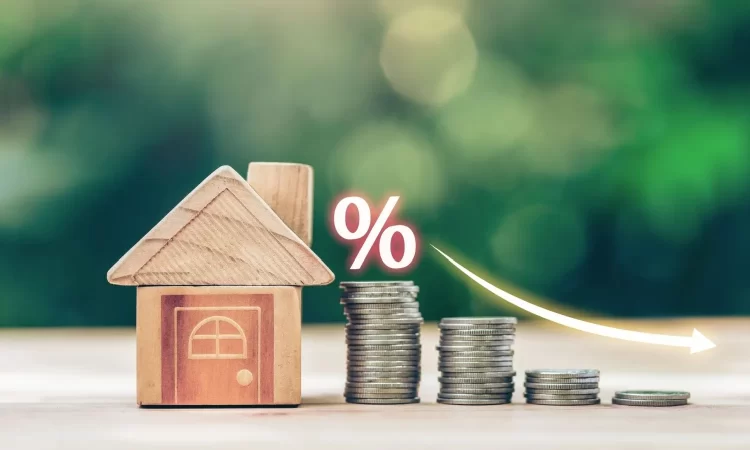
When people think about buying a home in Singapore, they often focus on the property price, the down payment, and whether their income qualifies for a loan. What tends to get less attention, at least at the start, is the interest rate. Yet over the life of a mortgage, interest rates quietly determine how much you actually pay every month and how much your home truly costs in the long run.
Understanding how housing loan interest rates in Singapore affect your monthly mortgage is essential if you want to plan your finances properly. Even small changes in interest rates can translate into noticeable differences in monthly repayments. This article breaks down exactly how interest rates work, why they change, and how they influence what you pay each month, without drowning you in technical jargon.
The Basics of a Monthly Mortgage Payment
A monthly mortgage payment is made up of two main components: principal and interest. The principal is the portion that goes toward repaying the amount you borrowed. The interest is what the bank charges for lending you that money.
In the early years of a housing loan, a larger share of your monthly payment goes toward interest rather than principal. Over time, this balance shifts, and more of your payment goes toward reducing the loan amount. This structure means that interest rates have the biggest impact on your monthly mortgage at the beginning of the loan.
When interest rates are higher, a larger portion of your payment goes to interest, increasing your monthly obligation.
Why Interest Rates Matter More Than You Think
It is easy to underestimate the effect of interest rates because the difference between rates often looks small on paper. A change from 2.5 percent to 3 percent does not sound dramatic. However, when applied to a large loan over 25 or 30 years, the impact becomes very real.
Higher interest rates increase your monthly repayment because the bank is charging more for the same loan amount. Lower rates reduce your monthly burden, freeing up cash for savings, investments, or everyday expenses. Over time, even a small difference in interest rates can amount to tens of thousands of dollars.
This is why understanding housing loan interest rates in Singapore is just as important as negotiating the property price.
How Housing Loan Interest Rates Are Set in Singapore
Singapore does not set housing loan interest rates directly through a central policy rate. Instead, rates are largely market-driven and influenced by global interest trends, bank funding costs, and competition among lenders.
Most floating-rate home loans in Singapore are pegged to benchmarks such as SORA, the Singapore Overnight Rate Average. When SORA rises, floating mortgage rates tend to rise as well. Fixed-rate loans are priced based on banks’ expectations of future interest rate movements and their own cost of funds.
As a result, housing loan interest rates in Singapore can change even if your personal financial situation stays the same.
Fixed Interest Rates and Monthly Repayments
Fixed-rate housing loans offer stability. Your interest rate, and therefore your monthly mortgage payment, stays the same for a fixed period, usually between two and five years.
This predictability makes budgeting easier. You know exactly how much you need to pay each month, regardless of what happens in the market. For many homeowners, this peace of mind is worth paying a slightly higher rate upfront.
However, once the fixed-rate period ends, your loan usually converts to a floating rate. At that point, your monthly payment may increase or decrease depending on prevailing housing loan interest rates in Singapore.
Floating Interest Rates and Monthly Repayments
Floating-rate loans move with the market. They are usually pegged to benchmarks like SORA, plus a margin set by the bank. This means your monthly mortgage payment can change over time.
When interest rates fall, your monthly payment decreases, which can be a relief for household cash flow. When rates rise, however, your payment increases, sometimes quite noticeably. This variability requires financial discipline and a buffer to absorb higher payments during rate hikes.
Floating rates often start lower than fixed rates, but they come with greater uncertainty.
A Simple Example of Rate Changes in Action
Consider a loan of S$600,000 over 25 years. At an interest rate of 2 percent, the monthly repayment is significantly lower than at 3 percent. The difference could easily be several hundred dollars a month.
That extra amount may not seem huge at first, but over a year it adds up, and over decades it becomes substantial. This example illustrates why borrowers feel the impact of rate changes quickly, especially in the early years of a loan.
Housing loan interest rates in Singapore directly influence how comfortable or stretched your monthly budget feels.
The Role of Loan Tenure
Loan tenure affects how interest rates translate into monthly payments. A longer tenure spreads repayments over more years, reducing the monthly amount but increasing total interest paid.
When interest rates rise, borrowers with longer tenures may still see manageable monthly payments, but they end up paying much more interest over time. Shorter tenures result in higher monthly payments but reduce the total interest cost.
The interaction between tenure and interest rates is a key consideration when planning your mortgage strategy.
Loan-to-Value Ratio and Its Impact
Your loan-to-value ratio, or LTV, also affects how interest rates influence your monthly mortgage. A higher LTV means you are borrowing a larger portion of the property’s value.
Loans with higher LTV ratios may come with slightly higher interest rates, which increases monthly repayments. Lower LTV loans often qualify for better rates, reducing the monthly burden.
This is why putting in a larger down payment can have a lasting impact on both your interest rate and your monthly mortgage.
Refinancing and Monthly Payment Changes
Refinancing allows you to switch to a new loan, usually with a different bank, to take advantage of better interest rates. When housing loan interest rates in Singapore fall, refinancing can significantly reduce your monthly payment.
However, refinancing also comes with costs, such as legal fees or penalties if you are still within a lock-in period. These costs should be weighed against the potential monthly savings.
Done at the right time, refinancing can meaningfully improve cash flow and reduce long-term interest costs.
Repricing as an Alternative
Repricing is similar to refinancing but happens within the same bank. Some banks allow you to switch to a new package without changing lenders.
Repricing can reduce your interest rate and monthly mortgage payment with fewer administrative steps. However, the savings may be smaller compared to refinancing, depending on what the bank offers.
Understanding both options helps you respond effectively when interest rates change.
How Rising Rates Affect Household Cash Flow
When interest rates rise, monthly mortgage payments increase, leaving households with less disposable income. This can affect spending, savings, and overall financial comfort.
For homeowners who stretched their budgets to buy a property, rising rates can be particularly stressful. This is why stress-testing your finances for higher interest rates is essential before committing to a loan.
Housing loan interest rates in Singapore have a direct link to everyday household decisions, not just long-term financial planning.
Planning Ahead for Interest Rate Changes
Interest rates move in cycles. While it is impossible to predict exact movements, you can prepare by choosing loan structures that match your risk tolerance.
Some borrowers split their loans between fixed and floating portions to balance stability and flexibility. Others maintain a cash buffer to handle higher payments during rate hikes.
Planning ahead reduces the shock when monthly payments change.
How to Assess Affordability Realistically
Affordability should not be based solely on today’s interest rate. A loan that looks affordable at a low rate may become uncomfortable if rates rise by one or two percentage points.
When assessing affordability, consider how your monthly payment would look under higher housing loan interest rates in Singapore. If the numbers still work, you are in a safer position.
This approach helps prevent financial strain down the road.
The Long-Term Impact of Interest Rates
Interest rates influence not just your monthly payment, but the total amount you pay for your home over time. Lower rates reduce total interest paid, while higher rates increase it significantly.
This long-term perspective is often overlooked when focusing on monthly affordability alone. Yet it is where the biggest financial differences lie.
A well-chosen interest rate strategy can save you substantial sums over decades.
Final Thoughts on Housing Loan Interest Rates and Your Mortgage
Housing loan interest rates in Singapore play a central role in shaping your monthly mortgage and long-term financial health. They affect how much you pay each month, how flexible your budget is, and how much your home ultimately costs.
By understanding how interest rates work, how they change, and how they interact with loan structure and tenure, you can make more informed decisions. The goal is not to predict the market perfectly, but to choose a loan that remains manageable under different scenarios.
In the end, a mortgage should support your life, not dominate it. Understanding interest rates is the first step toward making that happen.